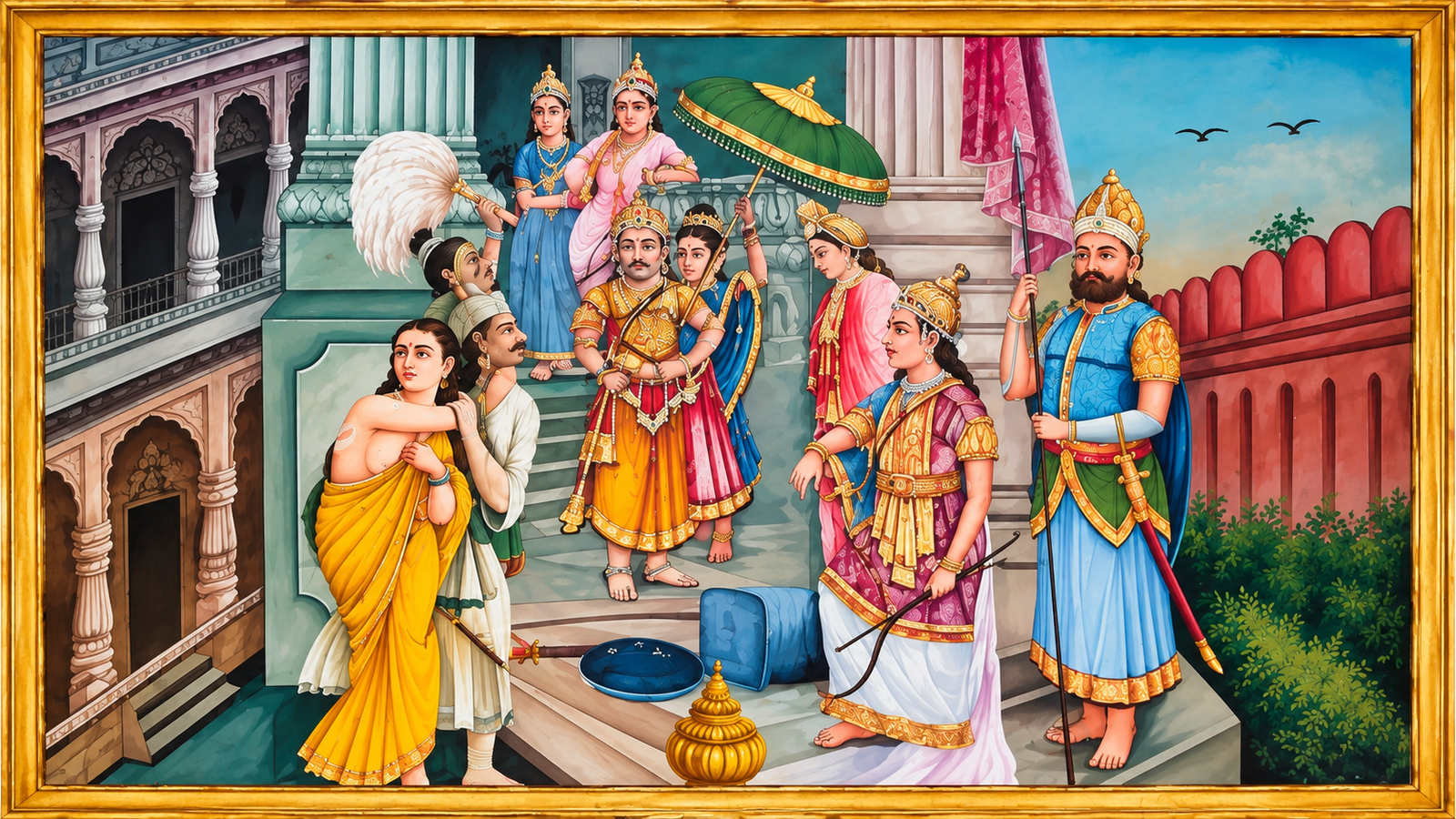
For generations, the walls of Thakur Satyanarayan Temple in Rampur Bushahr have silently preserved stories, characters and artistic traditions through their richly painted panels and ornamental details. These paintings are more than decoration—they form an important part of the temple’s visual and cultural heritage.
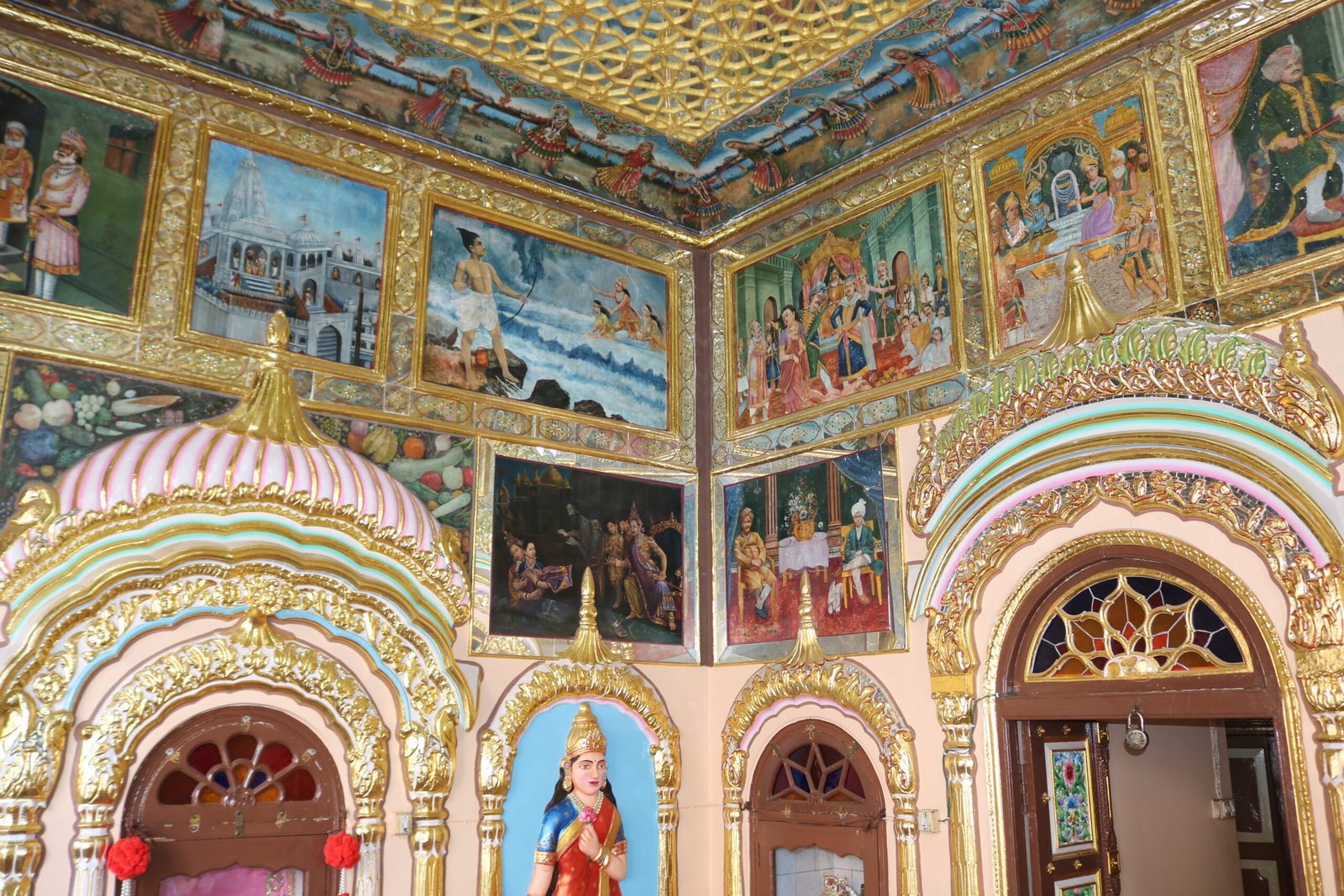
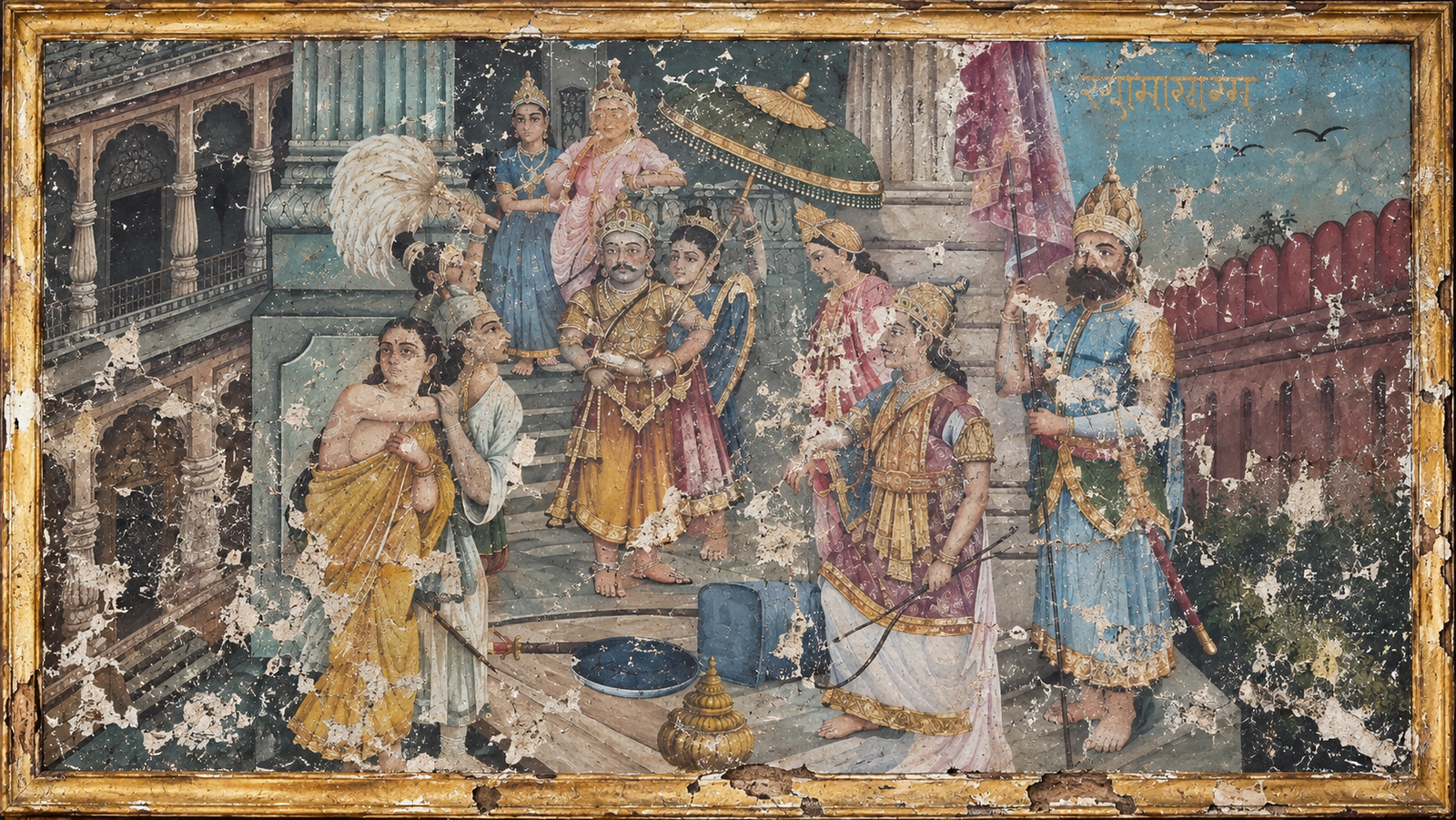
Over the years, however, the paintings had suffered considerable deterioration. Layers of grime had obscured the original colours, portions of the painted surface had flaked away, and some areas had been affected by previous interventions and over-painting. Heritage Preservation Atelier notes that, before professional conservation began, several paintings were difficult to recognize because of the extent of deterioration.
It was in this challenging condition that Heritage Preservation Atelier Pvt. Ltd., under the supervision and leadership of Namita Jaspal, undertook the conservation of the temple’s historic wall paintings.
Preserving, Not Simply Repainting
The objective of the project was not to make the paintings look “new.” Instead, the approach was to understand, stabilize and preserve the surviving original artwork, while carefully bringing back the visual clarity of areas that had become obscured over time.
This distinction is at the heart of professional heritage conservation.
Namita Jaspal, founder and director of Heritage Preservation Atelier, is a senior heritage conservator with extensive experience in wall paintings, paintings, archives, textiles and other cultural heritage materials. HPA describes its approach as being grounded in ethical conservation and in preserving the significance and authenticity of heritage objects and sites.
Bringing Back What Was Already There
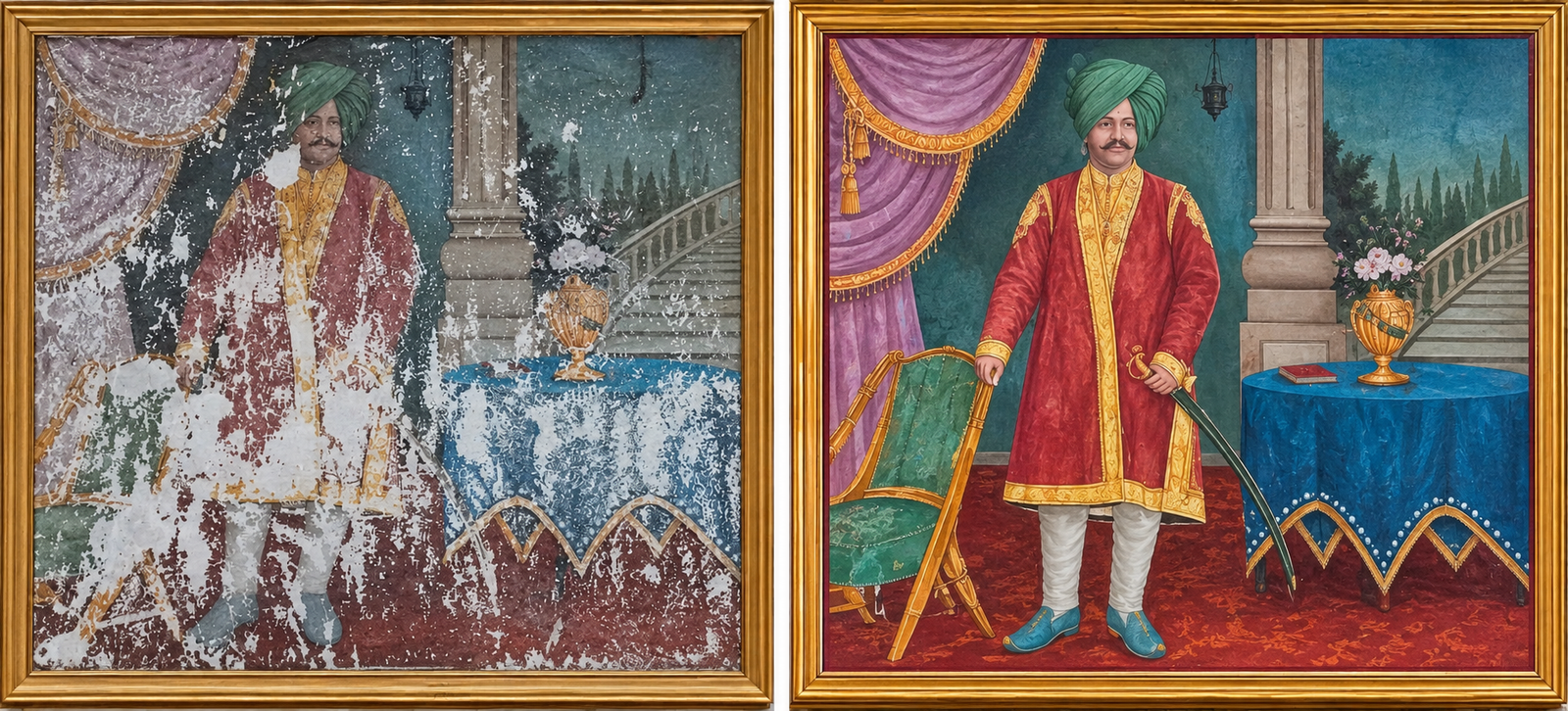
The transformation is particularly striking when the before-and-after photographs are viewed together.
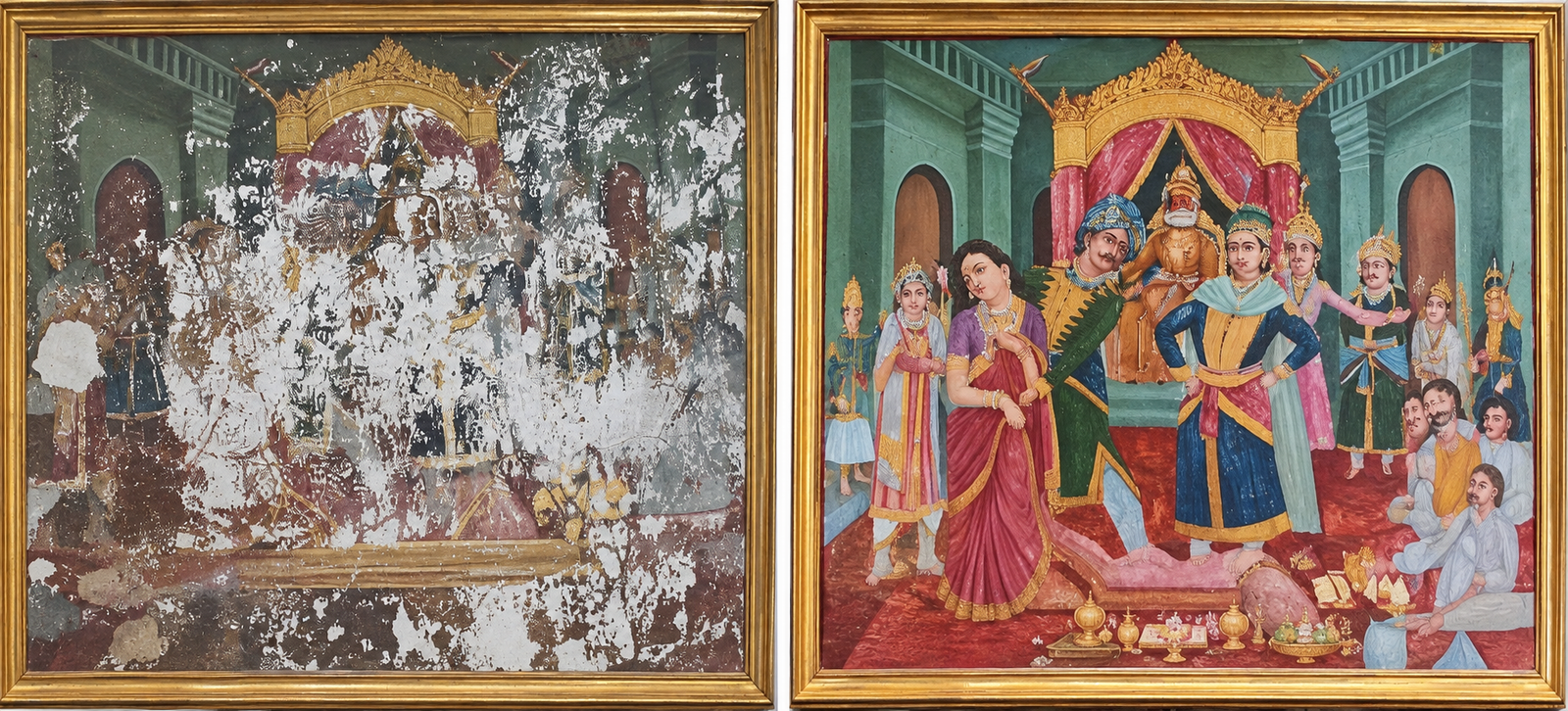
In the damaged images, large portions of the paintings appear faded, obscured or completely lost beneath grime and flaking. Figures and architectural details become difficult to distinguish.
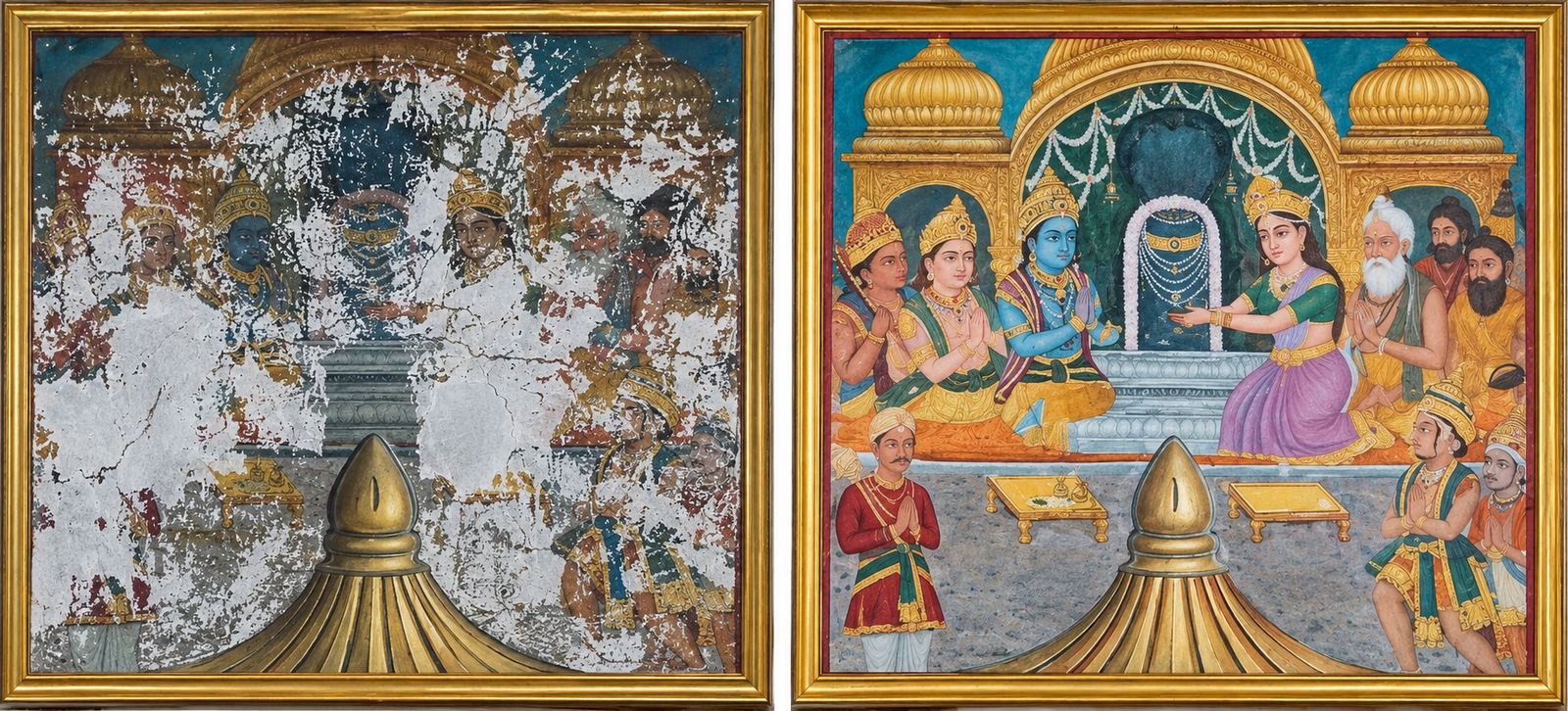
After conservation, the surviving artwork becomes much more legible. Colours regain their visual balance, characters and architectural elements become clearer, and ornamental details that had disappeared beneath layers of dirt and deterioration can once again be appreciated.
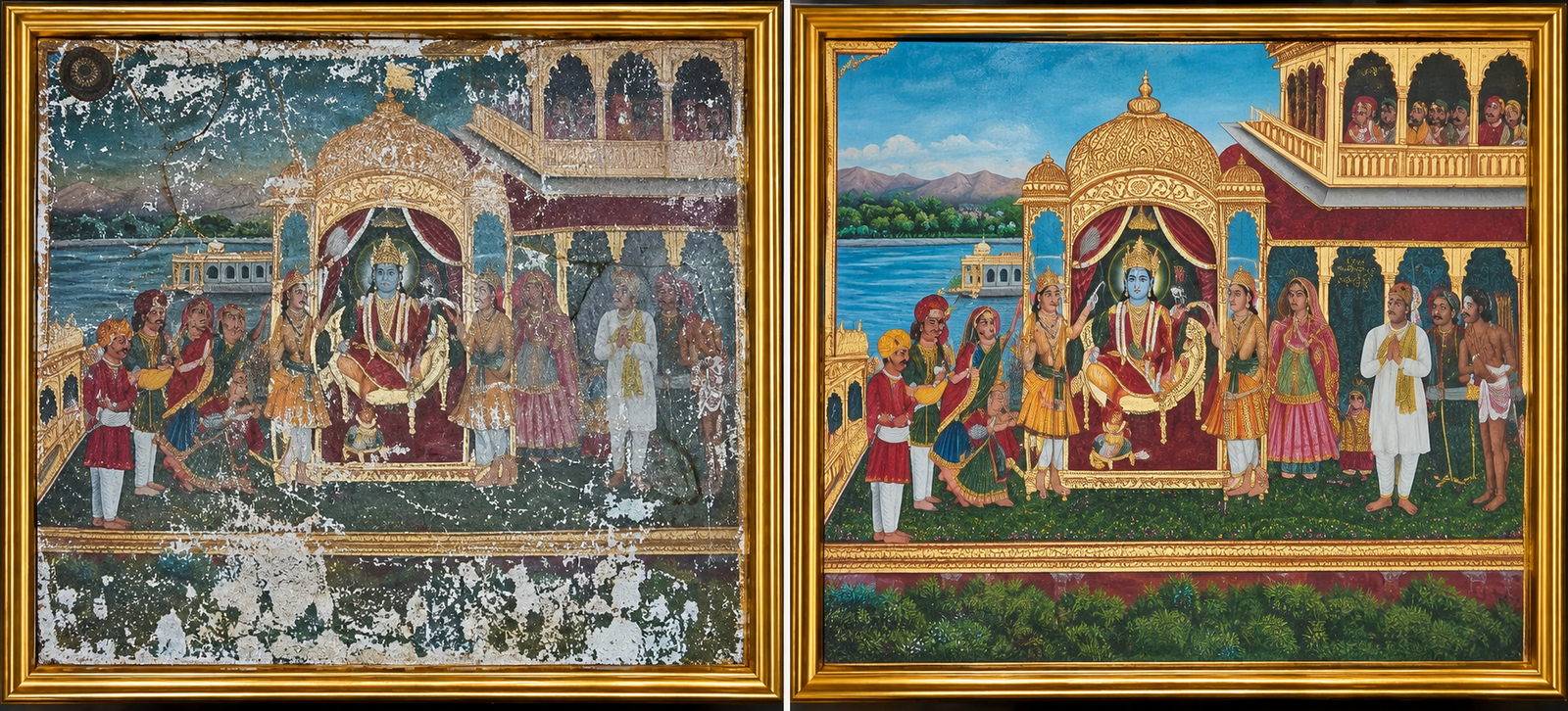
Importantly, the process was not simply about adding colour. HPA’s documentation describes the removal of accumulated grime, treatment of damaged and detached areas, reconstruction of selected lost stucco elements and careful in-painting while retaining as much original material as possible.
A Heritage Worth Preserving
The Satyanarayan Temple is deeply connected with the cultural history of Rampur Bushahr. Its architecture and interior artwork reflect influences associated with Rajasthani craftsmanship and nineteenth-century Indian painting traditions. The temple’s wall paintings narrate stories from Hindu epics and incorporate richly decorated borders, architectural ornamentation, gilded stucco and painted figures. Heritage Preservation Atelier
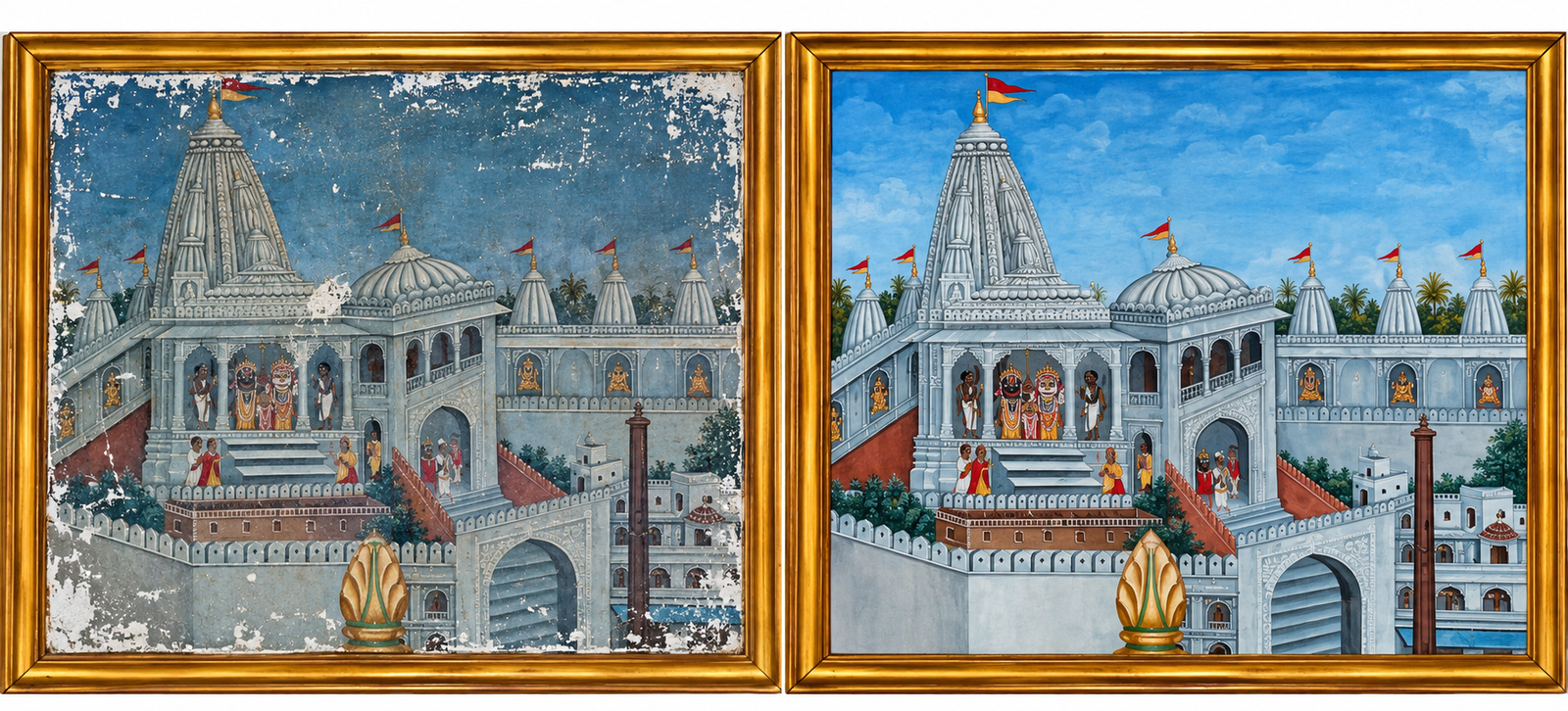
The conservation therefore goes beyond repairing individual paintings. It helps protect an important visual record of the temple’s history for future generations.
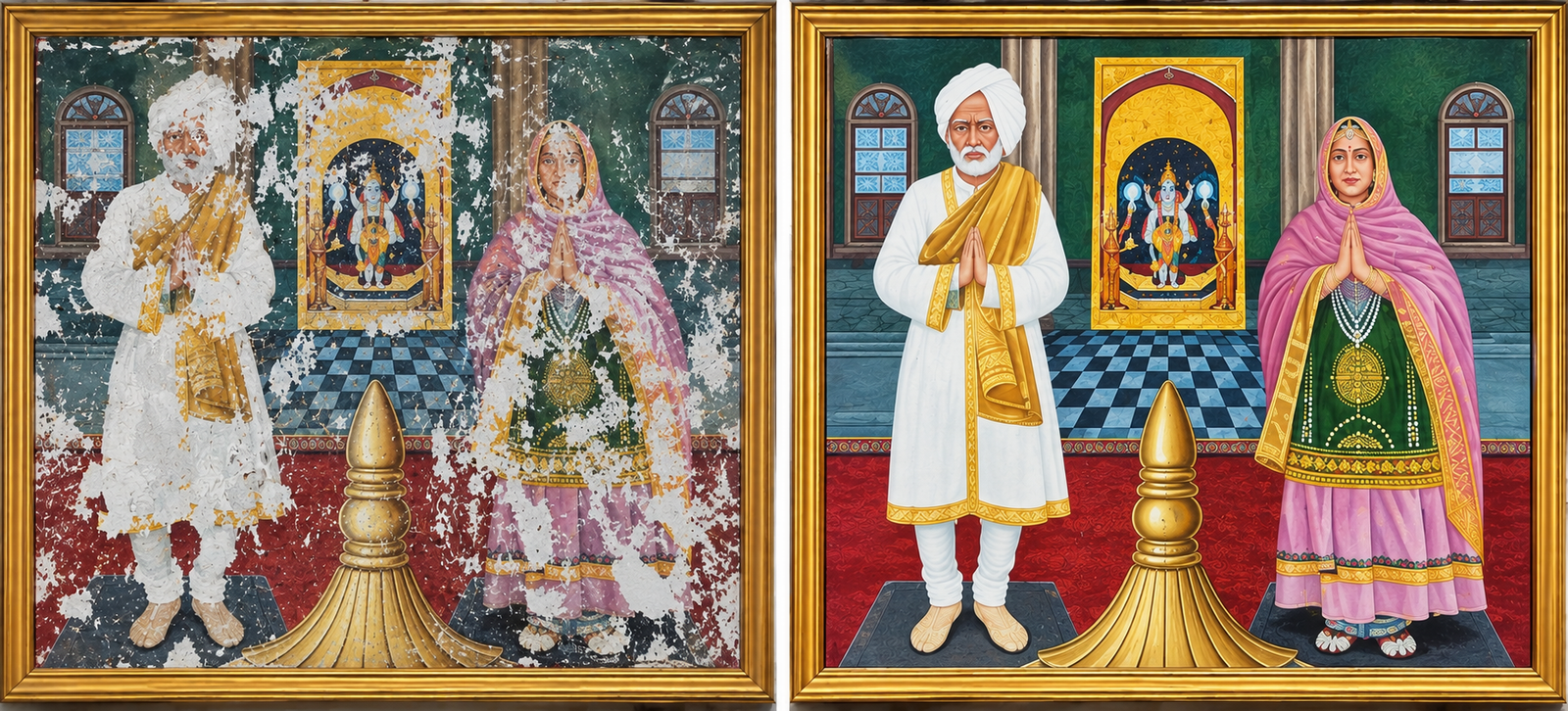
Heritage Preservation Atelier lists the conservation of the wall paintings at Thakur Satyanarayan Temple, Rampur Bushahr, Shimla district, Himachal Pradesh, among its major wall-painting conservation projects.
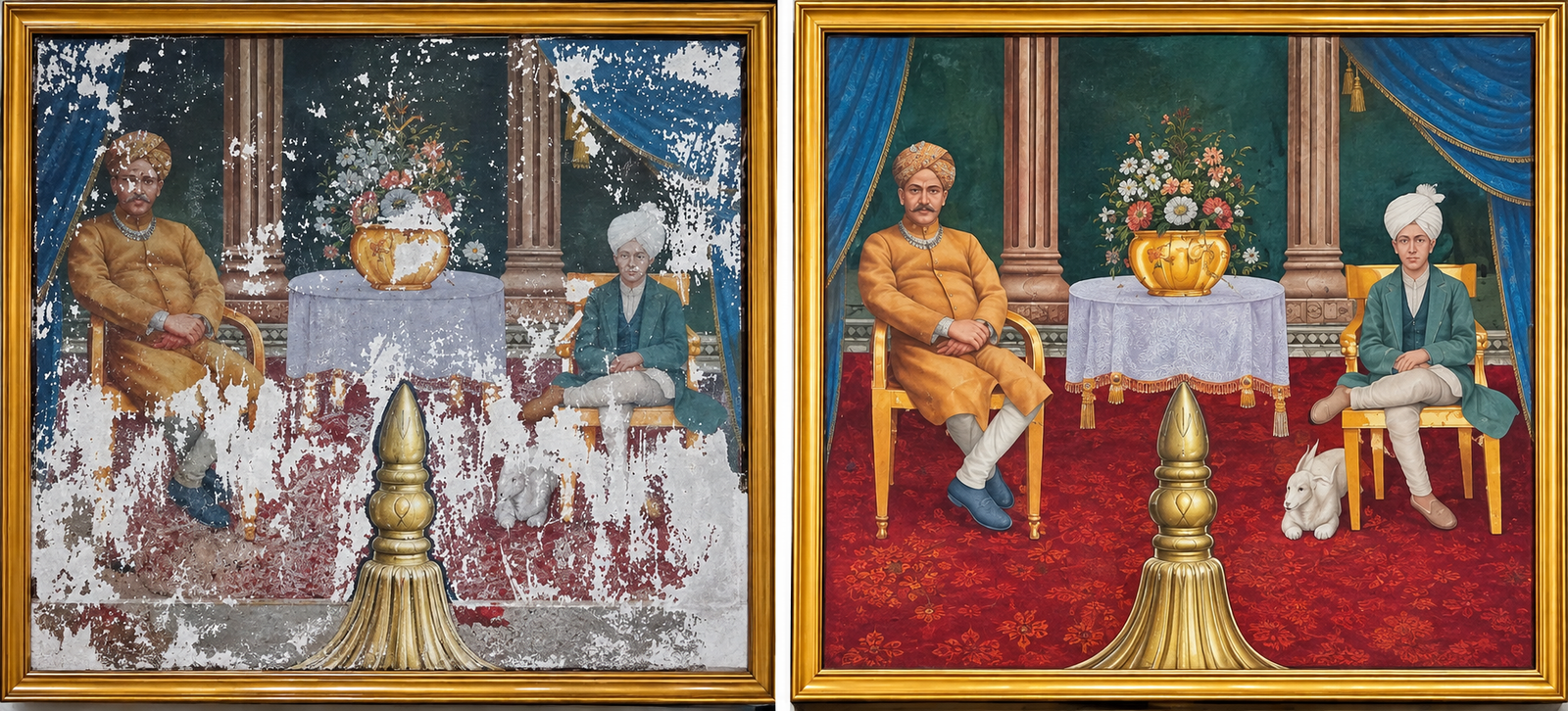
Preserving the Past for the Future
The restored paintings allow today’s visitors to experience something that was once becoming increasingly difficult to see—the artistic language, colours and stories embedded within the temple’s walls.
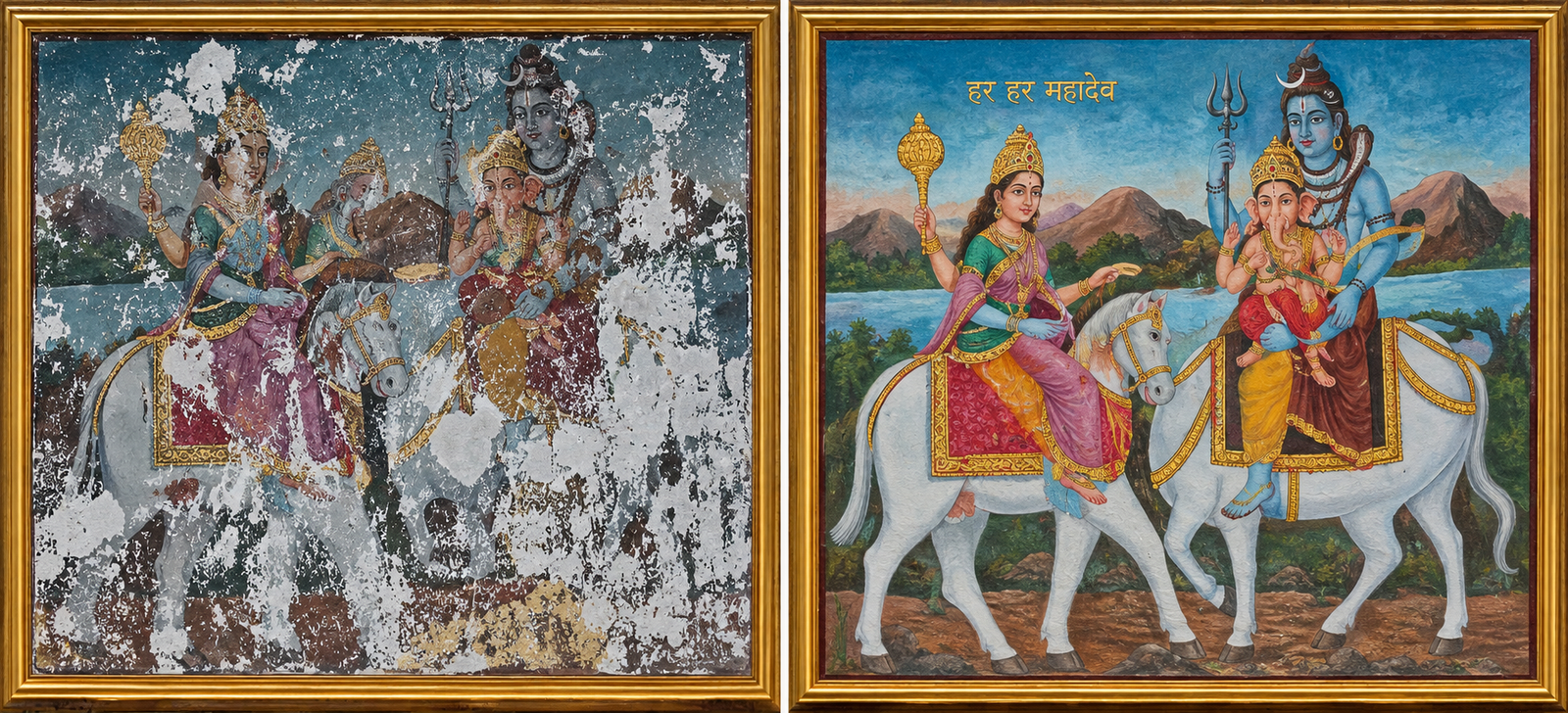
The work reminds us that heritage conservation is not about making an old monument look new. It is about protecting what remains, understanding what has survived, and ensuring that the history carried by those surviving materials is not lost.
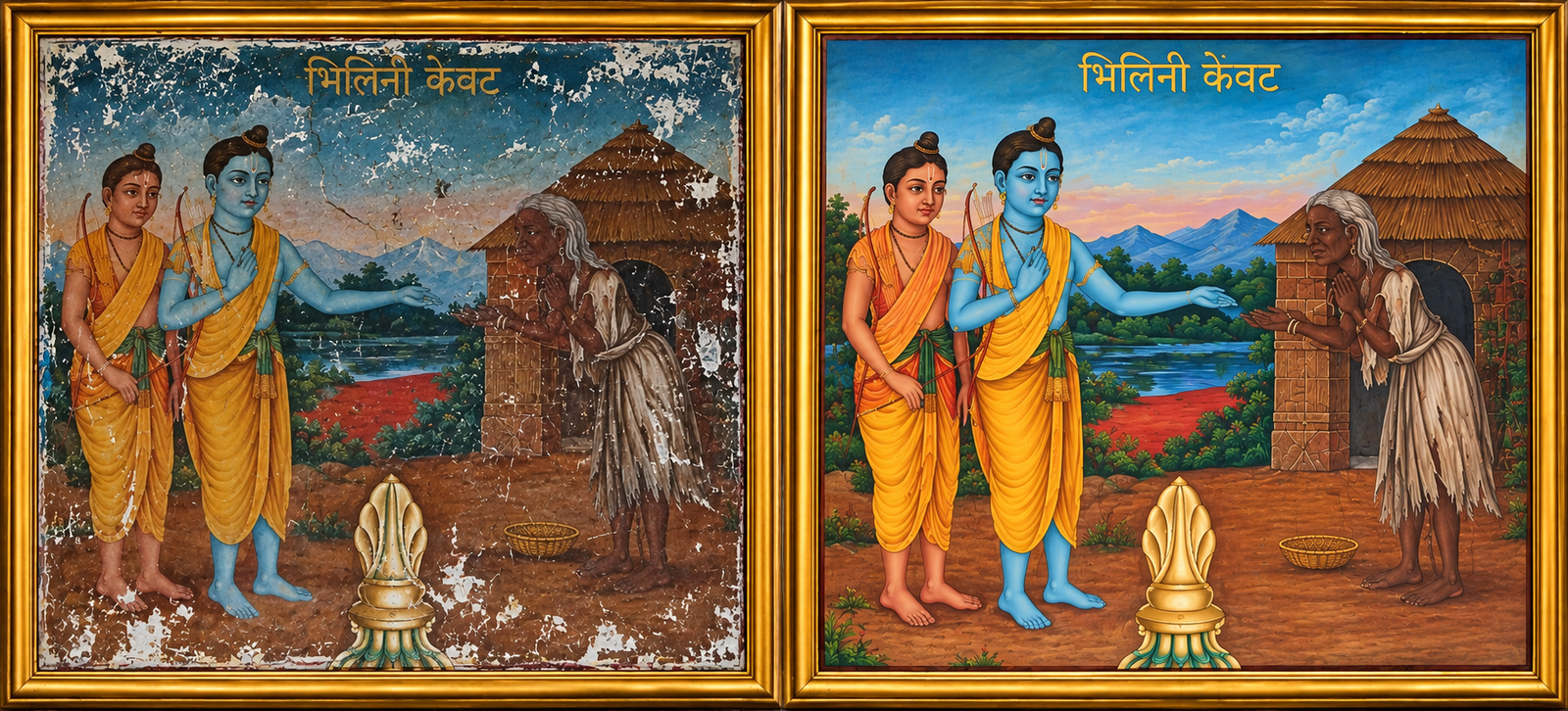
Through the dedicated efforts of Namita Jaspal and the Heritage Preservation Atelier team, the wall paintings of Thakur Satyanarayan Temple have received a new lease of life—allowing their stories to continue speaking to generations yet to come.